should be accessible to everyone
Give
Help ensure the human need for belonging is accessible to everyone
Volunteer
Help build the scaffolding where connection and belonging can occur
Join
Access spaces like our Community Room where you can be yourself and know your presence matters
Humans are built for connection and belonging—it’s in our DNA
When we don’t feel like we belong, it affects every aspect of our lives, including our mental and physical health, and even our ability to meet other needs. That’s why we’ve partnered with our neighbors living in affordable housing in Downtown Portland to disrupt social isolation for more than 30 years. Everything we do—from our assisted living to our community room—is built to foster belonging.

Social Isolation
What happens when you can't access resources to meet your human need for connection & belonging.
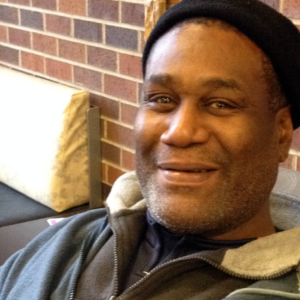
“I just missed the smile on people’s faces. People being happy. People having fun. It’s just a smile on your face, and you can talk to them. And they give you feedback. I like that. With that one-on-one feedback, you know what they’re thinking, where they’re at. The main thing is that we’re all Gods’ children playing the same game in a small room. That’s love within itself.”
About us
We believe every Portlander matters
and has something remarkable to share with others.
Maybelle Center creates opportunities for Portlanders to connect and experience belonging. So, whether you have always felt like you belonged or are still trying to find your place, Maybelle Center is a community where you can be known and know your presence matters.
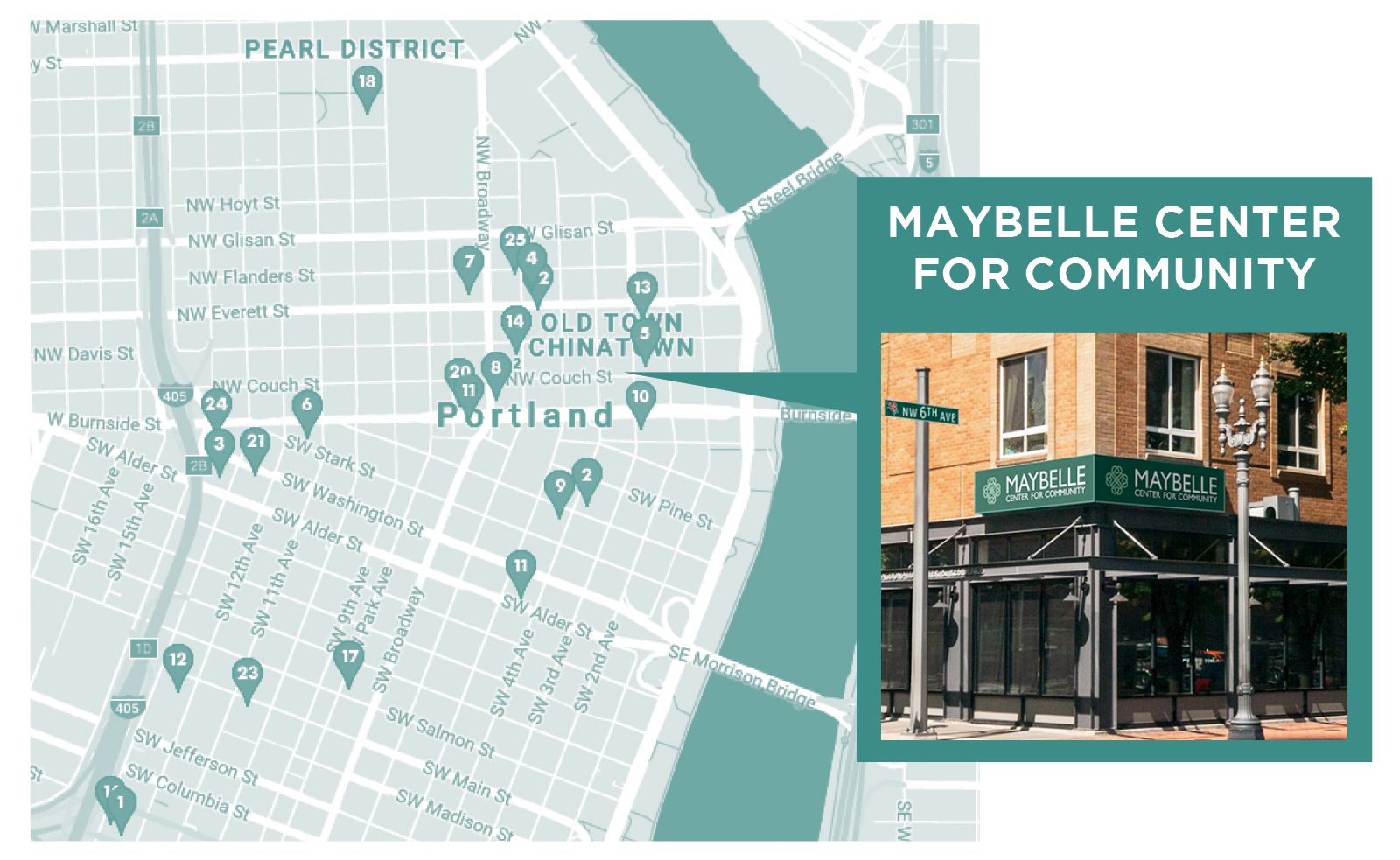
Maybelle Center prioritizes working with adults in downtown Portland who are motivated by their direct experience of social isolation caused by systemic influences like economic poverty, racial discrimination, and inadequate health care.
Our work
Our services are built for belonging
All of our programs—from our assisted living to our Community Room—are built to cultivate a sense of belonging. Thanks to a group of generous donors and volunteers, our Community Room, home visits, and classes like art and choir are all available to members at no cost.
Please visit our events and member pages for more information on current gatherings.
Neighborhood Programs
We partner with neighbors living in more than 40 buildings in downtown Portland to build programs that cultivate belonging.

Gather & Grow Friendships
Community Room
Our Community Room is a safer space to gather with friends. So, pull up a chair and play a round of Skip-Bo or just chat about how you’re doing.
Weekly Social Chats
Visitation
Members and volunteers meet weekly to give each other space to be deeply heard and understood.
Spiritual & Emotional Health
Spiritual Support
Journey with others through grief, loss, hope, and celebrations. We offer memorials for members and friends, retreats, and groups for reflection. All religions and spirituality welcome–or none at all!
Resource Navigation
Member Support
We support members as they navigate barriers in accessing resources – whether it’s a food box, health care, technology, or retaining housing.
Affordable Housing
When you ask people what belonging looks or feels like, the response if often something like “it feels like being at home.” And that’s exactly the type of environment we try to cultivate every day in our assisted living and affordable apartments.
Assisted Living
Macdonald Residence
One of the few 100% Medicaid facilities in the nation, our 54 residents receive 24-7 care to ensure every person can live as independently as possible.
Studio Apartments
Macdonald West
We offer 42 affordable studio apartments for anyone earning 60% or less than the area median income.
Education for Social Change
College & University Partnerships
Short-Term Group Practicums
We partner with colleges and universities to provide short-term practicums exploring social isolation and the complex link between poverty and health inequalities. Many of our members host students for regular social visits, something that's been a cornerstone of our education program since our inception in 1991.
Belonging is a basic human need
We depend on support from generous donors like you to ensure our human need for belonging is accessible to everyone.

Our blueprint for belonging
Building a Portland where everyone feels like they belong
Unlike other basic human needs, you can’t just hand someone belonging. Building belonging is a partnership supported by three pillars: you, Maybelle Center, and members.
1. DONORS
Donors' support starts building the scaffolding where connection and belonging can occur. You're investing in safe, welcoming spaces with comfy chairs, warm drinks, heat, air purification - and most importantly - staff that breathes life into events like art, choir, and trips to the zoo.
2. STAFF & VOLUNTEERS
Maybelle Center staff and volunteers bring the building to life by working with members' strengths, encouraging deeper involvement, and working together to create inclusive programming.
3. MEMBERS
Members support each other in cultivating a sense of belonging by welcoming longtime friends, inviting new neighbors, and sharing their lives with staff, students, volunteers, and donors.
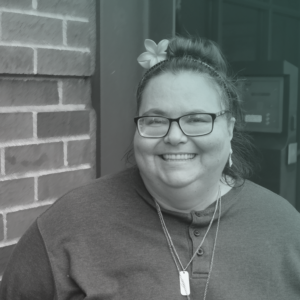
“It’s been 6 or 7 years since I first came to Maybelle Center. I’ve always felt welcomed. I feel included. There is a sense of community here. That’s what I’ve been looking for all my life….They’ve helped me understand who I am and that I count. They’re my inspiration. I can’t even tell you how much this place means to me.”
Let's get to know each other!
We write to our friends every few weeks to share member stories and project updates on our quest to build a city of belonging.